Meet Silvia Ontaneda
I grew up believing the earth is not something to be exploited, but something to be honored. From my parents I learned that sustainability is not a luxury — it’s a way of life: recycle, sow, protect water, and value food. That early love for nature shaped my path as a human rights lawyer, devoted to defending both people and Pachamama.
My journey as a diplomat and negotiator showed me something clear: Latin America must lead with its own sustainability standards. That vision gave birth to WeFairTrade Academy, a platform to train and empower producers and communities. It later evolved into ETHICA, an ethical and sustainable certification ensuring full transparency in supply chains.
This story is not only mine. It belongs to the farmers, fishermen, and entrepreneurs I’ve met — people who fight every day against climate, poverty, and organized crime. They embody resilience and hope. This blog honors them and carries a simple message: fair and humane trade.

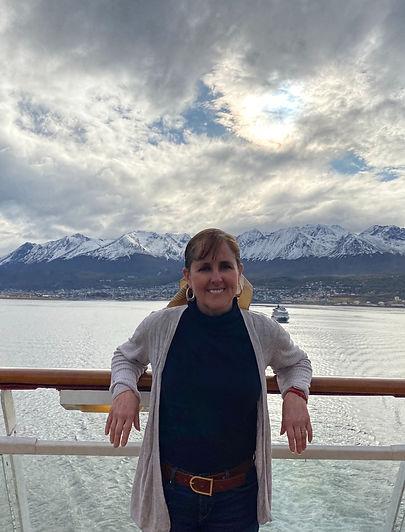

Get to know me
My passion for sustainability was born long before it became a fashionable concept. It was instilled in me by my parents. They taught me that natural resources should never be wasted, because there is always someone who needs them. They taught me to honor the earth, its fruits, and its food. My mother often said that our health is directly proportional to what we eat. My father, though a businessman, loved the countryside deeply. He owned farms where he always found reasons to sow. At home, nothing went to waste: plastic was recycled, and what some considered trash, others could find value in.
I grew up with that sensitivity and gratitude toward the earth and toward the people who work it. I especially remember the farm my parents bought, with springs of pure water and unique minerals. My father dreamed of bottling that water, but more than 40 years ago, the technology didn’t exist. The country where I was born is extraordinary: it has absolutely everything. Living abroad made me realize that sustainability was never a trend in my homeland — it was a value deeply rooted in its people. Yet poverty and the pursuit of resources like oil, gold, and silver have devastated ecosystems. I came to understand that sustainability is not an economic limit; on the contrary, it optimizes resources and makes them last over time.
Chapter 1
My Career as a Lawyer
My passion for defending the most vulnerable — both people and ecosystems — led me to study law, specializing in Human Rights. At that time, the ancestral knowledge of Indigenous peoples was not respected. Pharmaceutical companies, mining corporations, and even academia benefited from their wisdom without giving them recognition. For them, Pachamama is Mother Earth, not a resource to be exploited.
After graduating in Ecuador, I pursued a Master’s and Doctorate at the University of Minnesota. There, I had the privilege of working with Professor Ruth Okediji, one of the foremost scholars in Intellectual Property, who taught me how the system truly worked. Later, I joined the negotiation team for Free Trade Agreements at the Presidency of Ecuador. During that time, for the first time, the government proposed granting rights to nature as State policy. Although those efforts remained at the local level, that vision inspired me to develop strategies so that such policies could eventually be implemented internationally.
Chapter 2
The Leap into International Public Policy
I wanted to contribute to building international policy that recognized rights not only for people but also for nature. That was how I founded the South American Trade Forum, a pioneering space where we began to discuss human rights, environmental rights, economic development, and corporate responsibility.
In 2017, upon retiring from the foreign service, I dedicated myself to building an organization that could lead — from Latin America — the creation of sustainability standards aligned with the legal and constitutional frameworks of the region: environmental rights, labor rights, and human rights.
Thanks to Professor Jeff Ashe of Columbia University, I connected with Indigenous communities in Guatemala, where I learned about the role of women in collective empowerment and environmental protection while generating sustainable income. From those experiences, the WeFairTrade Academy was born.
I later traveled to Ecuador to meet with fishermen and farmers, listening to their stories of struggle. For fishermen, Chinese fleets that devastate the seas, pirates who steal their catches, and processors who often delay or refuse payment were daily realities. I understood that the only way forward was to empower them to organize collectively and to secure investments that would allow them to scale up and become processors and exporters.
Chapter 3
Manabí and the Pitahaya Growers
This chapter has been one of the most important in my journey as a social entrepreneur. In Manabí, Ecuador, pitahaya growers showed me the true face of small farmers and exporters: their resilience, their struggles against the climate, violence, and organized crime. Despite everything, they do not give up. They carry on because they love their families, their communities, and their country. They do not surrender their hope that one day Ecuador will once again be a place where they can live in peace and reclaim their right to work freely.
This blog is dedicated to those heroes and heroines: farmers, growers, entrepreneurs, and exporters who opened the doors of their homes, shared their stories, and taught me the true meaning of resilience.
From them, ETHICA was born — an ethical and sustainable certification that seeks to guarantee transparency in supply chains and support those who, with dignity and effort, work to make trade not only profitable but also fair and humane.
To my brother, the driving force behind that community of entrepreneurs, and to all the people who placed their trust in me, I dedicate these pages. I cannot reveal their names, as they remain in danger from organized crime. But their voices live on in every word of this project.
Competency chart
